
What Is Renewable Energy? A Beginner’s Guide to Clean Power
Renewable energy is transforming how the world produces and uses electricity. As climate change accelerates and fossil fuel pollution continues to harm public health, renewable energy offers a cleaner, more sustainable way forward—one that can power homes, businesses, and entire communities without exhausting natural resources.
At its core, renewable energy comes from natural processes that are constantly replenished. Unlike coal, oil, and gas, renewable sources do not run out, and they produce far fewer pollutants that contribute to climate change and poor air quality. Understanding how renewable energy works—and why it matters—helps clarify why it is central to a healthier, more equitable future.
Energy Sources That Never Run Out
Renewable energy is generated from sources that are naturally replenished on a human timescale. Sunlight, wind, water flow, and heat from within the Earth are continuously available, making them fundamentally different from finite fossil fuels formed over millions of years.
Because these sources are not depleted when used, renewable energy systems can provide long-term, reliable power without the environmental costs associated with extraction, drilling, or mining.
Why We Call It “Clean” or “Green” Energy
Renewable energy is often called clean or green because it produces little to no air pollution or greenhouse gas emissions during operation. While all energy systems have some environmental footprint, renewables avoid the combustion process that releases carbon dioxide, nitrogen oxides, sulfur dioxide, and particulate matter into the air.
This distinction matters. Cleaner energy means healthier air, safer water, and fewer climate-driven extreme weather events that disproportionately affect frontline communities.
Renewable Energy vs. Fossil Fuels: What’s the Difference?
The transition from fossil fuels to renewable energy represents a fundamental shift in how society generates power. The differences go beyond technology—they affect public health, economic stability, and environmental justice.
Understanding Finite vs. Replenishable Resources
Fossil fuels such as coal, oil, and natural gas are finite resources. Once extracted and burned, they cannot be replaced. Their availability depends on increasingly complex and environmentally damaging extraction methods.
Renewable energy, by contrast, relies on ongoing natural cycles. The sun rises each day, winds continue to blow, and rivers keep flowing. These replenishable resources support energy systems designed for long-term resilience rather than short-term consumption.
Data Centers Powered by Clean Energy
As digital infrastructure expands, energy demand from data centers continues to grow. Traditionally, these facilities have relied heavily on fossil-fuel-based electricity, contributing to high emissions.
Increasingly, data centers are being powered by renewable energy through on-site solar, wind energy purchases, and clean energy agreements. This shift reduces carbon emissions while supporting grid stability and long-term cost predictability, demonstrating how renewables can meet even energy-intensive demands.
Greenhouse Gas Emissions and the Carbon Footprint
Burning fossil fuels is the largest source of greenhouse gas emissions worldwide. These emissions trap heat in the atmosphere, driving climate change and worsening air quality.
Renewable energy systems generate electricity without combustion, dramatically reducing carbon emissions. Replacing fossil fuels with renewables is one of the most effective ways to lower a community’s carbon footprint and slow global warming.
The Economic Shift: Why Renewables Are Becoming Cheaper
Renewable energy is no longer a niche or experimental option. Over the past decade, the cost of solar and wind power has fallen dramatically due to technological improvements, economies of scale, and manufacturing efficiencies.
Unlike fossil fuels, renewable energy sources have no fuel costs. Once infrastructure is built, operating expenses remain stable, shielding consumers from volatile fuel prices. This economic shift is making renewable energy increasingly competitive—and often cheaper—than traditional energy sources.
The Main Types of Renewable Energy
Renewable energy is not a single technology. It includes a range of systems that capture natural energy in different ways, each with unique advantages and applications.
Solar Energy: Harnessing the Power of the Sun
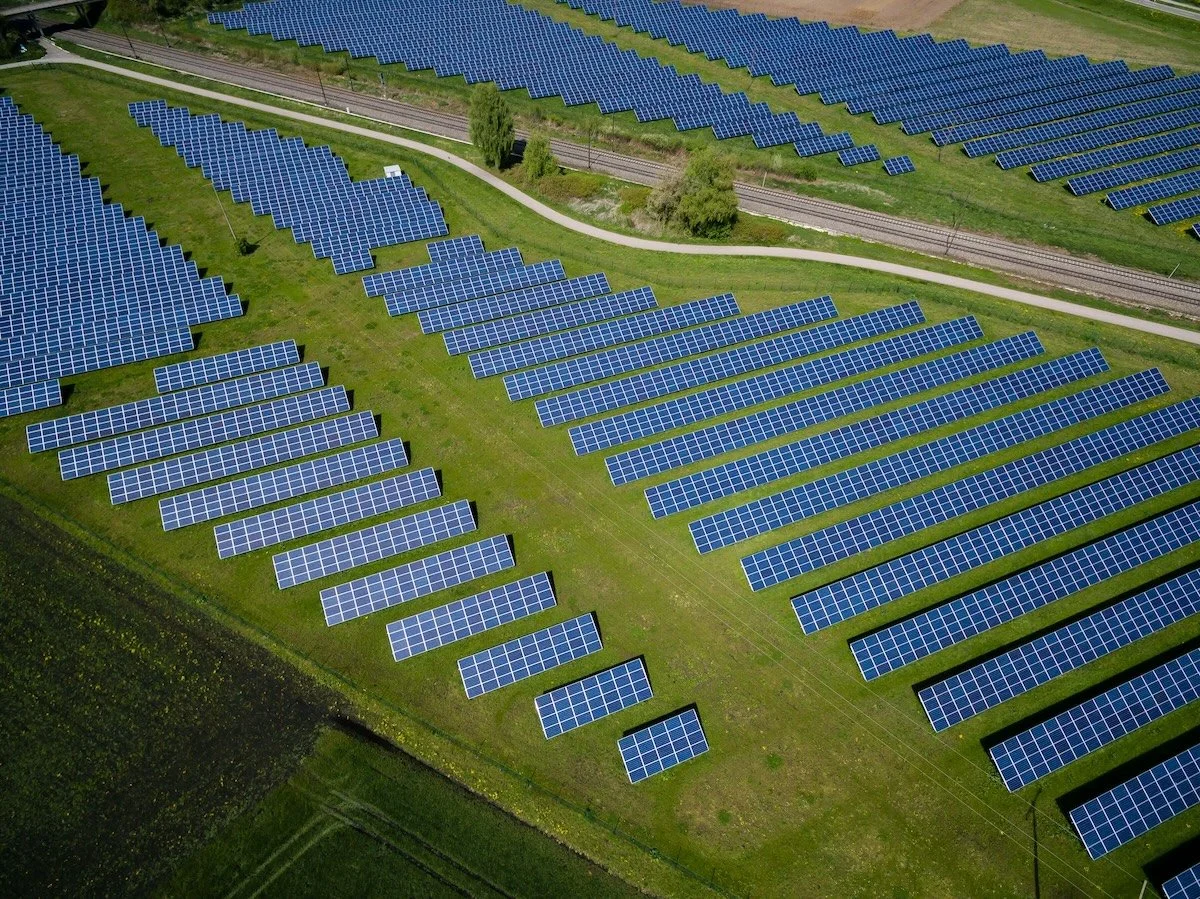
Solar energy converts sunlight into electricity using photovoltaic panels or concentrated solar systems. It can be deployed at many scales, from rooftop installations to large utility-scale solar farms.
Solar power is widely accessible, produces no direct emissions, and can be paired with battery storage to provide energy even when the sun is not shining.
Wind Energy: Capturing Kinetic Power from Moving Air
Wind energy uses turbines to convert the kinetic energy of moving air into electricity. Wind farms can be located on land or offshore, where winds are often stronger and more consistent.
Wind energy is one of the fastest-growing renewable sources and plays a critical role in decarbonizing electricity grids worldwide.
Hydropower: Utilizing Flowing and Falling Water
Hydropower generates electricity by harnessing the movement of water, typically through dams or run-of-river systems. It is one of the oldest forms of renewable energy and provides reliable, dispatchable power.
When designed carefully, modern hydropower can balance energy generation with environmental and community considerations.
Geothermal Energy: Tapping into the Earth’s Inner Heat
Geothermal energy uses heat from beneath the Earth’s surface to generate electricity or provide direct heating. This energy source is highly reliable and produces minimal emissions.
Geothermal systems are particularly effective in regions with volcanic or tectonic activity, offering constant, weather-independent power.
Biomass Energy: Converting Organic Matter into Fuel
Biomass energy is produced from organic materials such as agricultural waste, wood residues, and food scraps. When managed sustainably, biomass can reduce waste while generating energy.
However, biomass must be carefully evaluated to ensure it does not contribute to deforestation, air pollution, or environmental inequities.
How Renewable Energy Works: From Nature to the Grid
Renewable energy systems capture natural energy and convert it into electricity through mechanical or chemical processes. That electricity is then transmitted through the power grid to homes, schools, businesses, and public infrastructure.
Advances in energy storage, smart grids, and transmission technology allow renewable energy to be integrated reliably, even when sources like sunlight or wind fluctuate. These systems are reshaping the grid into one that is cleaner, more flexible, and more resilient.
Why Renewable Energy Matters: Key Benefits
Renewable energy is not just about electricity—it’s about health, equity, and long-term sustainability.
Combatting Climate Change and Global Warming
Replacing fossil fuels with renewable energy is essential to reducing greenhouse gas emissions. Clean power helps slow global temperature rise, limit extreme weather events, and reduce climate-related risks to communities and ecosystems.
Every megawatt of renewable energy added to the grid is a step toward stabilizing the climate and protecting future generations.
Improving Public Health with Cleaner Air and Water
Fossil fuel pollution is linked to asthma, heart disease, premature death, and other serious health conditions. Renewable energy reduces harmful emissions, leading to cleaner air and healthier communities.
Lower pollution levels mean fewer emergency room visits, reduced healthcare costs, and improved quality of life—especially in neighborhoods historically overburdened by industrial pollution and traffic emissions.